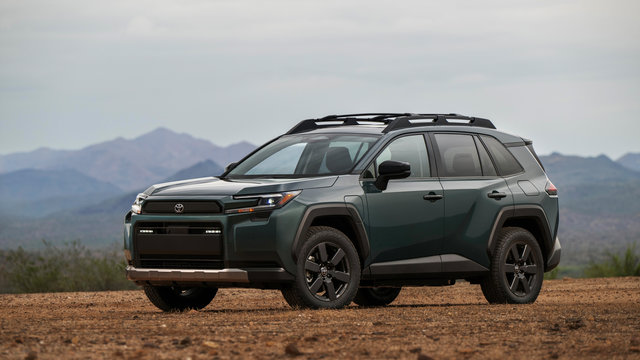
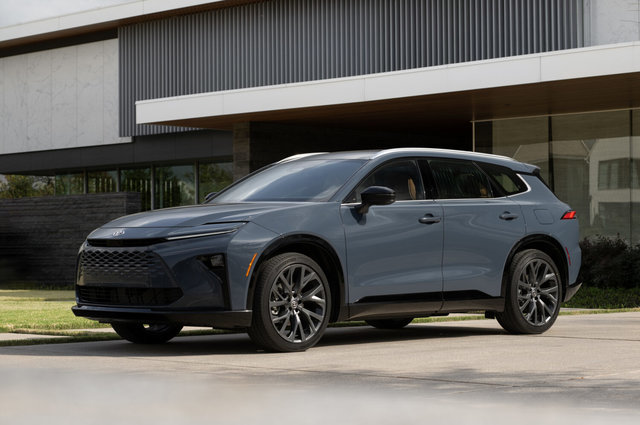
The numbers on the 2026 Toyota RAV4 Plug-in Hybrid tell a clear story before you even turn the key. A manufacturer-estimated 80 kilometres of all-electric driving range. Up to 324 system net horsepower. Standard all-wheel drive across every grade. That combination puts the new RAV4 PHEV in a category that very few compact SUVs can reach, and it does it with the kind of practical, everyday usability that has made RAV4 Canada’s best-selling passenger vehicle for years.
This is Toyota’s sixth-generation RAV4, and the plug-in hybrid variant has been rebuilt from the ground up. The powertrain is not a carry-forward; it is a new system developed specifically for this generation, using new semiconductor technology, a higher-capacity drive battery, and a high-output charger. For anyone who has been watching what Toyota has done with hybrid and plug-in technology over the past decade, the 2026 RAV4 PHEV is the clearest signal yet of where that investment has landed.
What Powers the 2026 RAV4 PHEV
At the centre of the system is a 2.5 L 4-cylinder engine paired with two electric motors and a high-capacity traction battery. Toyota engineers adopted silicon carbide semiconductors in the front axle for this generation, a change that delivers miniaturization and efficiency gains that directly contributed to the jump in both output and electric range.
The result is up to 324 combined system net horsepower, an increase of 22 hp over the previous generation’s PHEV system. That figure puts the RAV4 PHEV ahead of many performance-oriented compact SUVs that do not carry the same fuel efficiency credentials.
Key powertrain figures at a glance:
- Up to 324 combined system net horsepower
- Manufacturer-estimated 80 km all-electric driving range
- Standard AWD on all four PHEV grades
- 11 kW AC onboard charger on XSE Technology Package
- DC fast charging (10% to 80% in approximately 30 minutes) on XSE Technology Package
Four Grades, One Powertrain Philosophy
For 2026, the RAV4 PHEV expands from three grades to four, adding the first-ever RAV4 GR SPORT to the lineup. Each grade is powered by the same sixth-generation PHEV system, and each targets a distinct buyer.
RAV4 PHEV SE is the entry point. It comes with an 18-inch alloy wheel set, a 10.5-inch Toyota Multimedia touchscreen, a 12.3-inch digital gauge cluster, heated front seats, a power moonroof, a 7 kW onboard charger, and a J1772 connector with a dual-voltage charging cable for Level 1 and Level 2 capability.
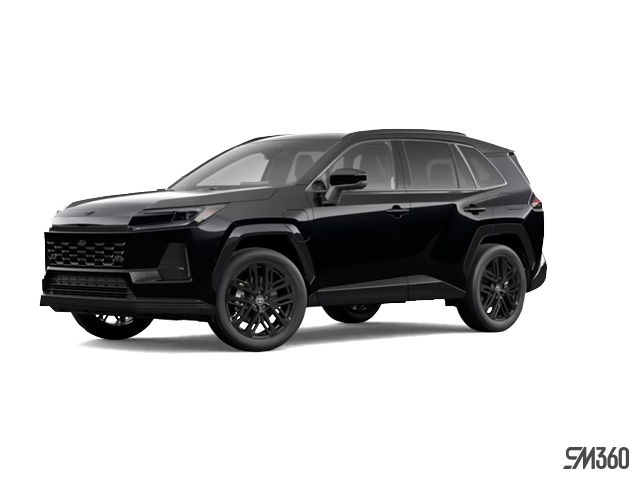
RAV4 PHEV XSE steps up with 20-inch black alloy wheels, a 12.9-inch Toyota Multimedia touchscreen with Drive Connect, a nine-speaker JBL audio system, SofTex upholstery with blue stitching, heated and ventilated front seats, a driver seat memory system, the Panoramic View Monitor, and vertical LED accent lights.
RAV4 PHEV XSE Technology Package adds a full suite of advanced technology to the XSE foundation. The upgrades include DC fast charging via a CCS1 connector, the 11 kW AC onboard charger, shift-by-wire transmission, the Advanced Park system, Traffic Jam Assist, Front Cross Traffic Alert with Braking, Lane Change Assist, a digital display rear-view mirror, a head-up display, and a panoramic moonroof with kick-sensor power back door.
RAV4 PHEV GR SPORT is the performance-flavoured grade, built in collaboration with Toyota GAZOO Racing. It features GR-tuned suspension with performance dampers, unique 20-inch alloy wheels, red-painted brake calipers, paddle shifters, a large rear spoiler, GR interior seat designs with red stitching, and a GR SPORT start-up screen.
Towing, Charging, and All-Weather Capability
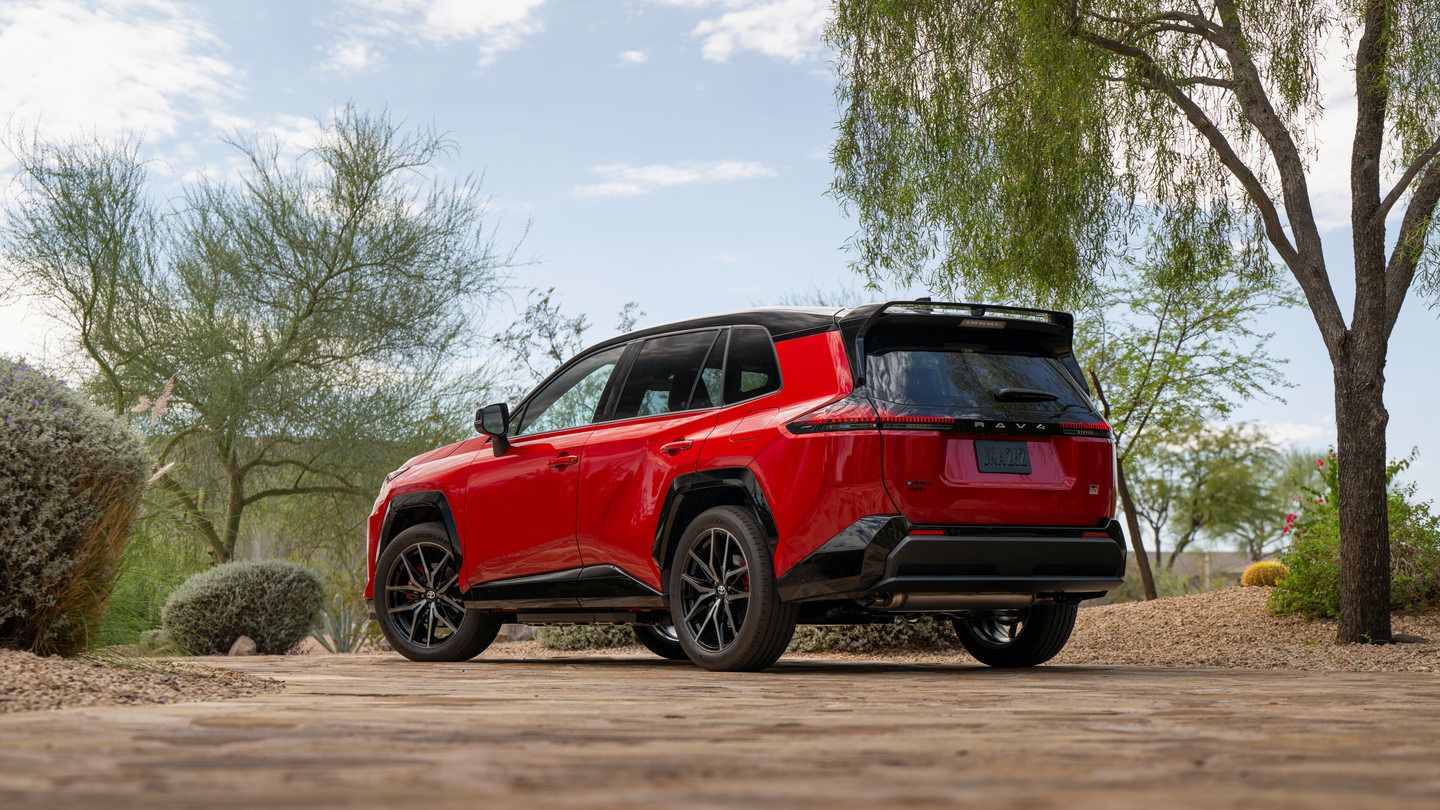
Towing capability on the RAV4 PHEV SE and XSE grades is rated at 3,500 lbs (1,588 kg). The GR SPORT is not towing-rated; its setup is optimized for handling rather than trailering.
Every RAV4 PHEV grade includes a standard J1772 charging port, with the XSE Technology Package upgrading to a CCS1 connector for DC fast charging. The standard 7 kW onboard charger handles overnight Level 2 sessions; the XSE Technology Package’s 11 kW unit charges more quickly at home or with public AC chargers.
All four PHEV grades come standard with AWD. There is no FWD option. For Canadian weather patterns, including spring thaws, wet autumn roads, and anything winter delivers, that AWD-standard approach removes a decision from the buying process entirely.
Toyota Safety Sense 4.0 and Toyota Multimedia
The 2026 RAV4 is the first Toyota model to launch with Toyota Safety Sense 4.0 (TSS 4.0), the latest configuration of Toyota’s active safety suite, built on the new Arene software development platform from Woven by Toyota. Every RAV4 PHEV grade also includes the Blind Spot Monitor System with Rear Cross Traffic Alert and Safe Exit Assist as standard.
The Toyota Multimedia system, standard across all PHEV grades, introduces 5G connectivity, customizable home screen widgets, dual Bluetooth pairing, wireless Apple CarPlay and Android Auto integration, and an on-board Toyota Assistant. The 10.5-inch touchscreen is standard on the SE; the XSE and above step up to a 12.9-inch screen.
|
Grade
|
Screen Size
|
Charger
|
Towing
|
|
SE
|
10.5 in
|
7 kW AC / J1772
|
3,500 lbs (1,588 kg)
|
|
XSE
|
12.9 in
|
7 kW AC / J1772
|
3,500 lbs (1,588 kg)
|
|
XSE Technology Package
|
12.9 in
|
11 kW AC + DC Fast / CCS1
|
3,500 lbs (1,588 kg)
|
|
GR SPORT
|
12.9 in
|
7 kW AC / J1772
|
Not rated
|
Come See the RAV4 PHEV at Erin Park Toyota
The 2026 Toyota RAV4 Plug-in Hybrid is on sale now at Toyota dealers across Canada. If you want to get into the details, which grade fits your driving routine, how the charging setup works day-to-day, or what separates the XSE Technology Package from the GR SPORT, the team at Erin Park Toyota in Mississauga is ready to walk you through every option in person.
Stop by and explore the full RAV4 PHEV lineup at Erin Park Toyota.