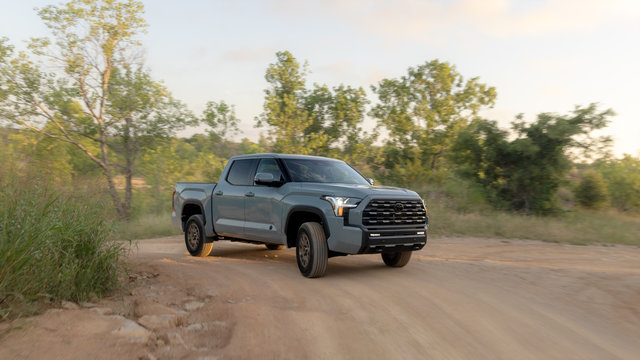
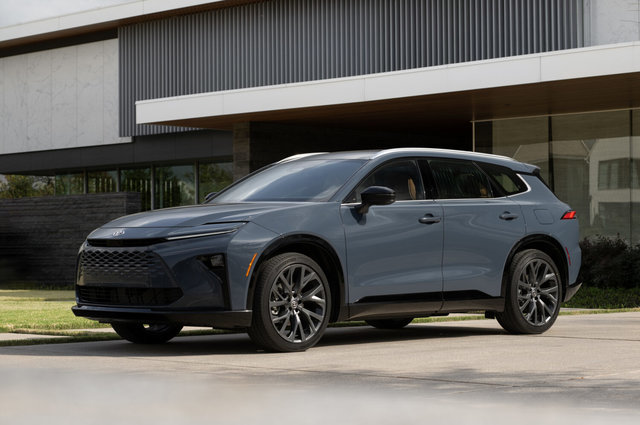
Shopping for a full-size truck usually means choosing between raw power and fuel economy. The 2026 Tundra’s i-FORCE MAX hybrid system tries to close that gap, and for Ontario drivers hauling trailers or gear through year-round conditions, understanding how it actually works matters more than the spec sheet alone.
What Is the i-FORCE MAX Powertrain
i-FORCE MAX is Toyota’s hybrid engine option for the Tundra, built around a 3.4-litre twin-turbo V6 with a motor/generator and clutch packaged inside the bell-housing. It is not an add-on system bolted to the standard engine; it is a distinct powertrain offered across CrewMax hybrid trims.
The standard, non-hybrid Tundra uses the same 3.4-litre twin-turbo V6 architecture without the motor/generator. That version produces 358 horsepower and 406 lb-ft of torque in most Double Cab trims, or 389 horsepower and 479 lb-ft of torque in the SR5 L. The i-FORCE MAX hybrid steps well past both, delivering 437 horsepower and 583 lb-ft of torque.
That is a meaningful jump for anyone cross-shopping trims. The hybrid isn’t a mild fuel-saving option here; it is the more powerful engine in the lineup.
How the Hybrid System Works
The motor/generator sits inside the transmission bell-housing rather than under the hood as a separate unit, which is why the packaging doesn’t cost the Tundra any cab or bed space. It works alongside the twin-turbo V6 rather than replacing it at any point.
Power routes through a 10-speed automatic transmission with sequential shift mode and uphill/downhill shift logic, plus two TOW/HAUL driving modes built for trailering. All i-FORCE MAX Tundra configurations use a part-time 4WD system as standard.
What differs from a conventional gas truck is torque delivery. The hybrid system supplies torque from a standing start rather than building it as engine rpm climbs, which is where most of the driving difference is felt.
Why the Torque Curve Matters in Real Driving
The 583 lb-ft peak is the headline figure, but the way it arrives is the more useful story for daily use. Instant torque from a stop means less turbo lag when merging onto a highway on-ramp or pulling away from a stop sign with a loaded bed.
For towing, this shows up as steadier response when a loaded trailer is already pushing back on the drivetrain. Passing on a two-lane road with a trailer hooked up depends on how quickly torque is available, not just how much horsepower the engine eventually makes at higher rpm.
The hybrid system also supports fuel economy without asking the driver to change how they drive. Combined fuel consumption comes in at 11.7 L/100km, versus 12.4 L/100km combined for the non-hybrid SR trim and 12.2 L/100km for the SR5 L. It’s a modest gap on paper, but it adds up over the kind of mixed commuting and highway stretches common across Ontario.
i-FORCE MAX vs the Standard Tundra Lineup
|
Powertrain
|
Horsepower
|
Torque
|
Combined Fuel Economy
|
|
SR (non-hybrid)
|
348 hp
|
405 lb-ft
|
12.4 L/100km
|
|
SR5 L (non-hybrid)
|
389 hp
|
479 lb-ft
|
12.2 L/100km
|
|
i-FORCE MAX (hybrid)
|
437 hp
|
583 lb-ft
|
11.7 L/100km
|
The standard SR and SR5 L trims are the more affordable route into a Tundra and remain the practical choice for buyers who tow occasionally and don’t need the extra torque. The i-FORCE MAX hybrid is positioned above them, aimed at owners who tow or haul often enough that the extra output and part-time 4WD as standard equipment pay off.
Where i-FORCE MAX Fits in the Lineup
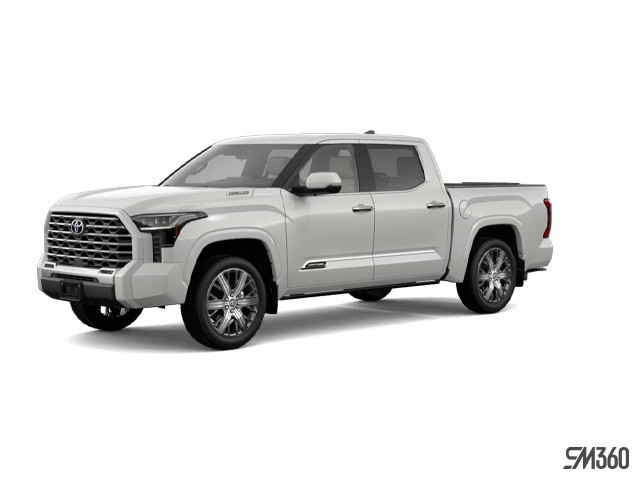
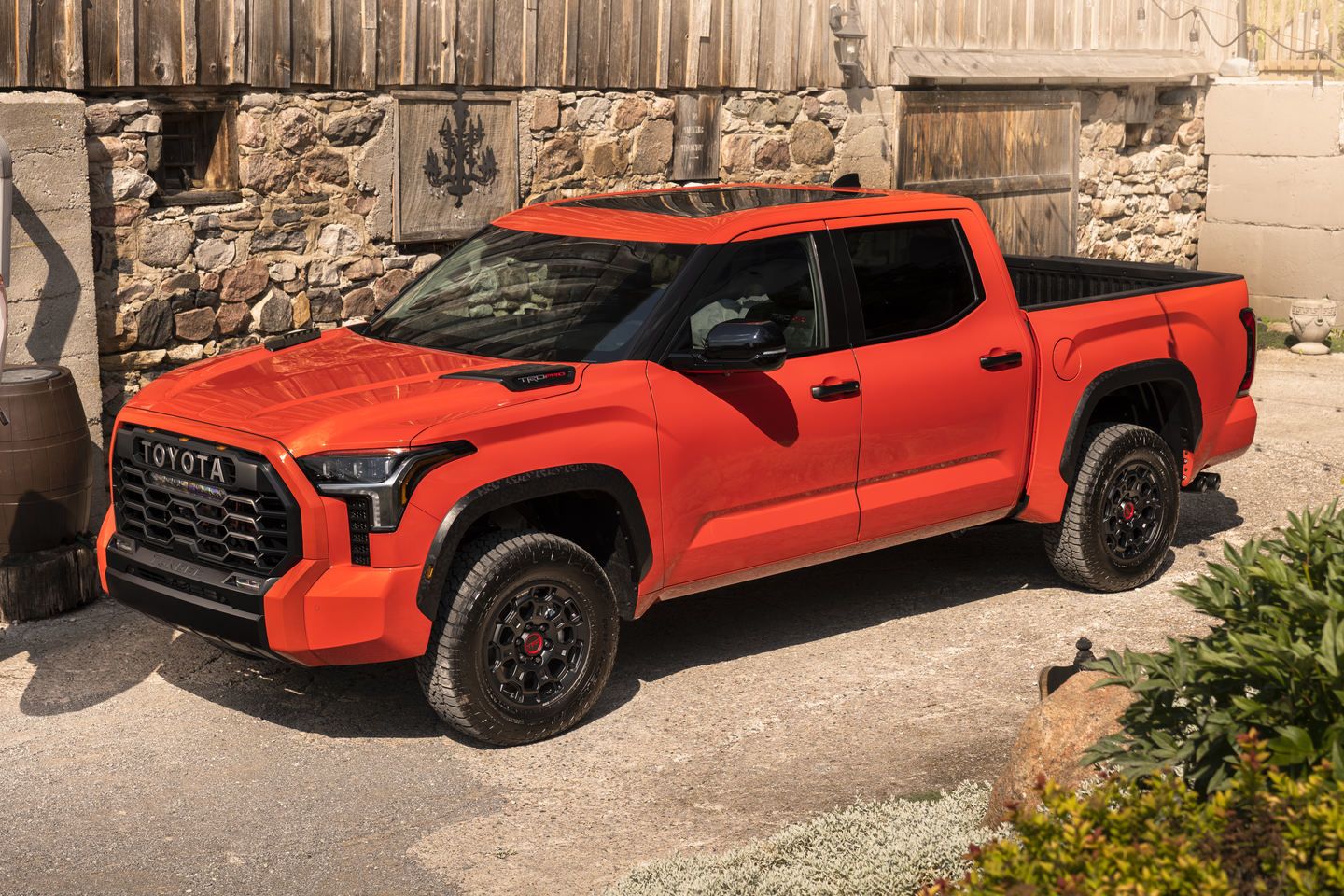
The i-FORCE MAX hybrid is available across CrewMax configurations, including Limited, Limited L, Platinum, and Capstone grades, plus TRD-focused variants like the Limited TRD Off Road and TRD Pro. Each of those grades carries the same core 437-horsepower, 583 lb-ft powertrain; what changes trim to trim is comfort and off-road equipment, not the engine underneath.
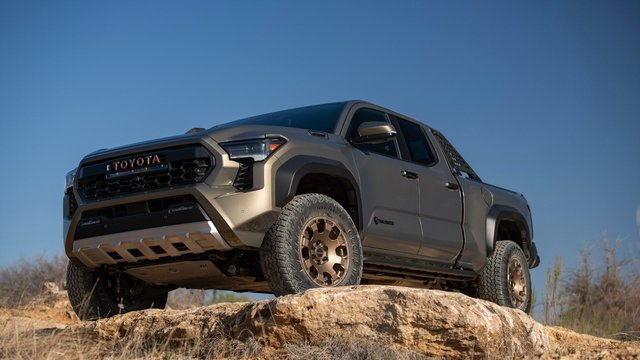
Capstone sits at the top of the comfort-focused end, with leather seating, a 12.3-inch digital gauge cluster, head-up display, and dual-zone automatic climate control. The TRD Off Road and TRD Pro packages instead add a locking rear differential, Multi-Terrain Select, Crawl Control, and off-road-tuned suspension hardware, trading some interior polish for trail capability.
Who the i-FORCE MAX Hybrid Suits
This powertrain makes the most sense for owners who tow regularly, whether that’s a boat, a trailer of equipment, or a camper, and who want torque on tap the moment they need it rather than after the engine spools up. It also suits drivers logging significant highway kilometres who want the fuel economy benefit without giving up capability.
Owners who tow occasionally or use the truck mostly for commuting may find the standard SR or SR5 L powertrains cover their needs at a lower step into the lineup. The i-FORCE MAX hybrid earns its place with drivers who put the extra torque and the part-time 4WD system to regular work, in Ontario’s mix of highway commutes, jobsite runs, and weekend hauling through all four seasons.
Finding the Right Tundra Configuration
The i-FORCE MAX hybrid gives the Tundra lineup its strongest combination of torque and drivetrain response, built around a 3.4-litre twin-turbo V6 paired with a motor/generator inside the transmission housing. It’s the powertrain built for owners who tow and haul often, not an occasional-use option.
Visit Erin Park Toyota in Mississauga to see the i-FORCE MAX Tundra configurations in person and find the trim that matches how you actually tow and drive.